Warehouse Storage Problems Solved With Flow Rack Systems
Quick Summary
Slow picking, poor rotation, and wasted floor space usually trace back to a storage layout that hasn’t kept pace with order volume. Flow rack systems solve these issues by using gravity to automatically move inventory forward, keeping stock rotation consistent and reducing picker travel time. Post-supported configurations add further flexibility by leaving usable space beneath each rack, and pairing flow rack with static shelving in the right zones creates a layout that matches each part of the operation to the storage type it actually needs.
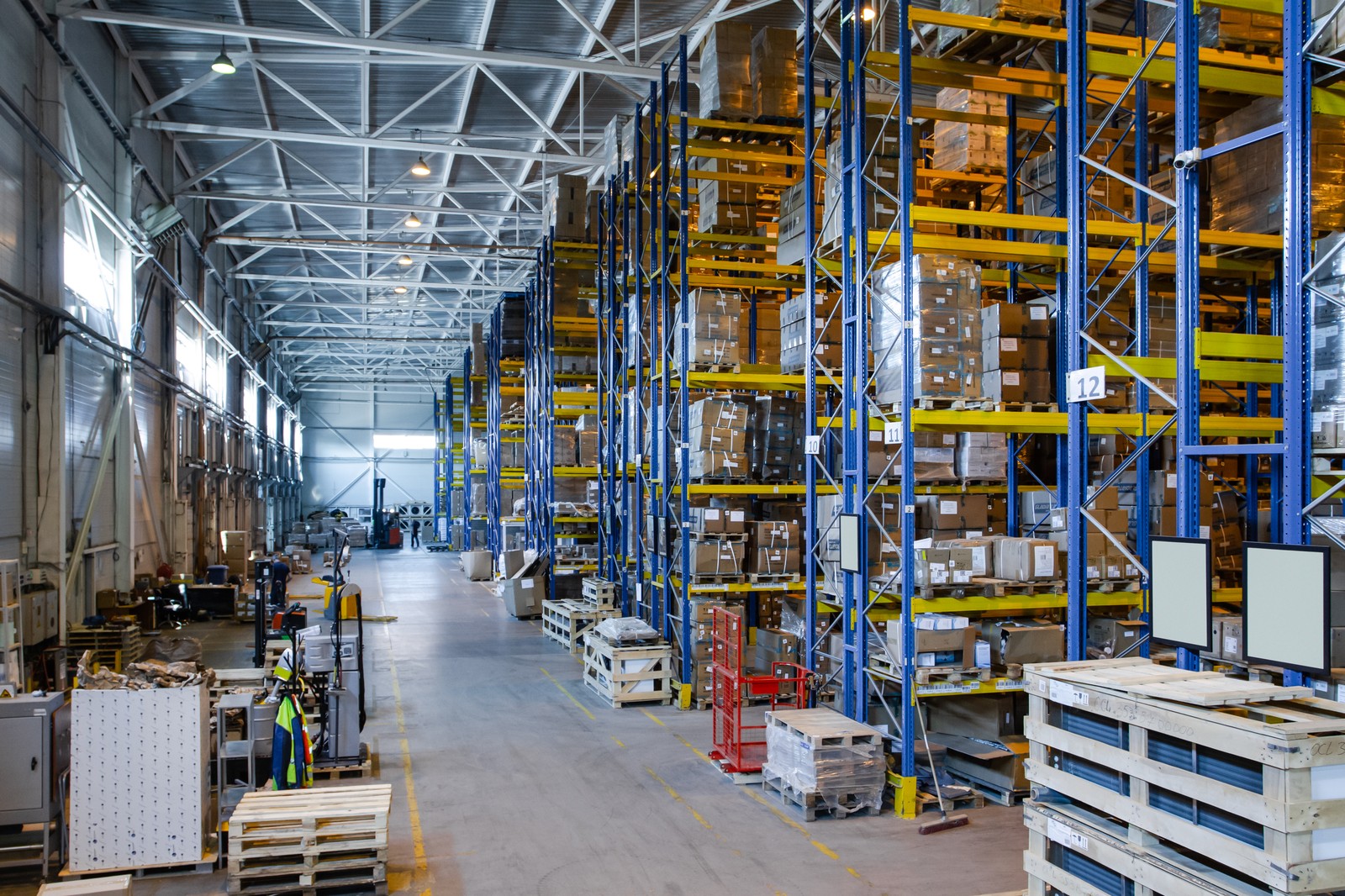
A warehouse can look organized on paper and still slow down every worker who walks its aisles. Boxes stack too high to reach safely. Pickers backtrack across the floor to grab items that should sit closer to the pack station. Warehouse storage problems like these rarely come from a lack of effort. They come from a layout that hasn’t kept up with how the operation actually runs day to day.
Let’s look at common storage issues warehouses run into, how flow rack systems address them, and what to consider when planning a layout.
Common Warehouse Storage Challenges
Every warehouse deals with some version of the same problems, even if the specific products and volumes look different from one facility to the next.
Space constraints top the list for most operations. Ceiling height, aisle width, and floor footprint all place limits on how much inventory a facility can hold. Static shelving quickly eats up space, especially when SKUs are stored in single rows, occupying an entire bay for a handful of units.
Picking efficiency runs into similar limits. Workers spend a large share of their shift walking rather than picking when inventory is laid out without accounting for order frequency. Fast-moving items buried behind slower stock add unnecessary steps to every pick.
Inventory rotation creates its own set of headaches, particularly for facilities handling perishable goods or items with expiration dates. Static shelving makes first-in, first-out rotation harder to enforce, since workers need to manually track which stock arrived first and make sure older inventory is picked before newer stock.
Recognizing these patterns is the first step toward fixing them. The next step involves examining storage systems designed to solve these problems directly.
How Flow Rack Systems Improve Warehouse Storage
Flow rack systems use gravity to move inventory from the back of a rack to the front, where a picker can grab it without digging through stock or repositioning boxes. Cartons are loaded from the rear and roll forward on a series of wheels or rollers as items are picked up from the front.
This setup solves several problems at once. Rotation happens automatically because new stock loads from the back while older stock remains at the pick face. Workers don’t need to track arrival dates manually or manage rotation by hand.
Picking speed improves too, since items sit at a consistent, accessible height instead of stacked in a single deep row. A picker reaches the front of the rack, grabs what’s needed, and moves to the next location without waiting for a box to be pulled from behind others.
Restocking also becomes less disruptive. Workers can load new inventory from the back of the rack while picking continues from the front. This separation keeps replenishment from interrupting active order fulfillment, which matters most during busy shifts.
Case flow rack systems support this kind of layout with a post-supported design, which opens up the space underneath each rack for additional storage or equipment access. This differs from beam-supported systems, where support structures run along the bottom and limit what can fit beneath the rack.
Post-Supported vs. Beam-Supported Flow Rack Systems
Flow rack systems come in several configurations. The support structure beneath the rack makes a real difference in how a warehouse uses the space.
Post-supported systems place vertical posts at the corners of each section, leaving the area beneath the rack open. This works well for facilities that want to use the under-rack space for additional storage, a conveyor, or simply to provide clear floor access for equipment.
Beam-supported systems run horizontal beams along the rack’s base instead. This provides a different kind of structural support but closes off the space underneath. The beams sit low to the ground across the width of the unit.
Neither configuration is wrong for every warehouse. A facility with tight floor space might prioritize keeping the area under each rack open and usable, which points toward a post-supported layout. A facility with different structural needs or an existing beam-supported system already in place might stick with that configuration for consistency across the floor.
Talking through both options before committing to a layout helps avoid a costly redesign down the line, especially in a facility where floor space is already tight.
Planning a Layout That Reduces Storage Problems
A flow rack system works best when it’s part of a broader layout plan. Start by mapping order frequency. Fast-moving SKUs belong closest to the pack and ship stations, since these items get picked the most and benefit the most from reduced travel time. Slower-moving inventory can sit further back or higher up, where accessibility matters less.
Aisle width matters too. Depending on the facility and equipment used, a well-planned flow rack configuration can reduce the space needed for restocking and picking. Narrower aisles free up floor space for additional storage or workflow zones.
Every facility carries its own mix of products, order volume, and floor constraints, so a layout that works well for one warehouse won’t always transfer directly to another. Working through these details early helps a facility avoid retrofitting a system that doesn’t quite fit the operation.
At Gauer Metal Products, custom projects often call for storage solutions that fit an unusual footprint or a specific product mix. Our custom metal fabrication capabilities allow flow rack components to get built around the actual constraints of a facility rather than forcing a standard configuration into a space that wasn’t designed for it.
Where Flow Rack Fits Alongside Other Shelving Options
Flow rack systems solve picking and rotation problems well, but they aren’t always the right fit for every storage need in a facility. Static shelving still makes sense for slower-moving inventory, bulk storage, or items that don’t need the gravity-fed movement flow rack provides.
A warehouse often benefits from a mix of storage types across different zones. High-turnover picking areas might run on flow racks, while bulk storage or overflow inventory sits on standard shelving elsewhere in the facility. Matching the storage type to the actual use case can help produce better results overall.
Our warehouse shelving options cover both configurations, so a facility can combine flow rack and static shelving based on the needs of each operation zone.
Reducing Downtime Through Better Storage Design
Storage problems rarely fix themselves, and a warehouse that keeps working around a layout issue instead of addressing it directly ends up paying for that decision in wasted labor hours and slower fulfillment times.
Flow rack systems address several common pain points at once: rotation, picking speed, and restocking disruption. A post-supported configuration adds flexibility for facilities that need the space beneath each rack for other purposes. Meanwhile, a well-planned layout that accounts for order frequency and product dimensions keeps the whole system running the way it’s meant to.
Talk Through Your Warehouse Layout With Our Team
Every facility has its own combination of space constraints, order volume, and product mix, and a storage layout that works well accounts for all three. Our team at Gauer Metal Products regularly works through these details with warehouse operators, helping determine where flow racks fit and where other storage types make more sense.
Contact our team to talk through what a better setup could look like today.
FAQs
What makes flow rack systems different from static shelving?
Flow rack systems use gravity to automatically move inventory from the back of a rack to the front. Static shelving requires manual restocking and offers no built-in rotation, making flow racks better suited to high-turnover picking zones.
Do flow rack systems work for every type of inventory?
Flow rack systems work best for cartons and cases that move through picking zones regularly. Bulk items or slower-moving inventory often fit better on standard shelving elsewhere in the facility.
What’s the benefit of a post-supported flow rack system?
Post-supported systems leave the space beneath each rack open for additional storage or equipment access. This differs from beam-supported systems, which close off that under-rack space with horizontal support beams.