
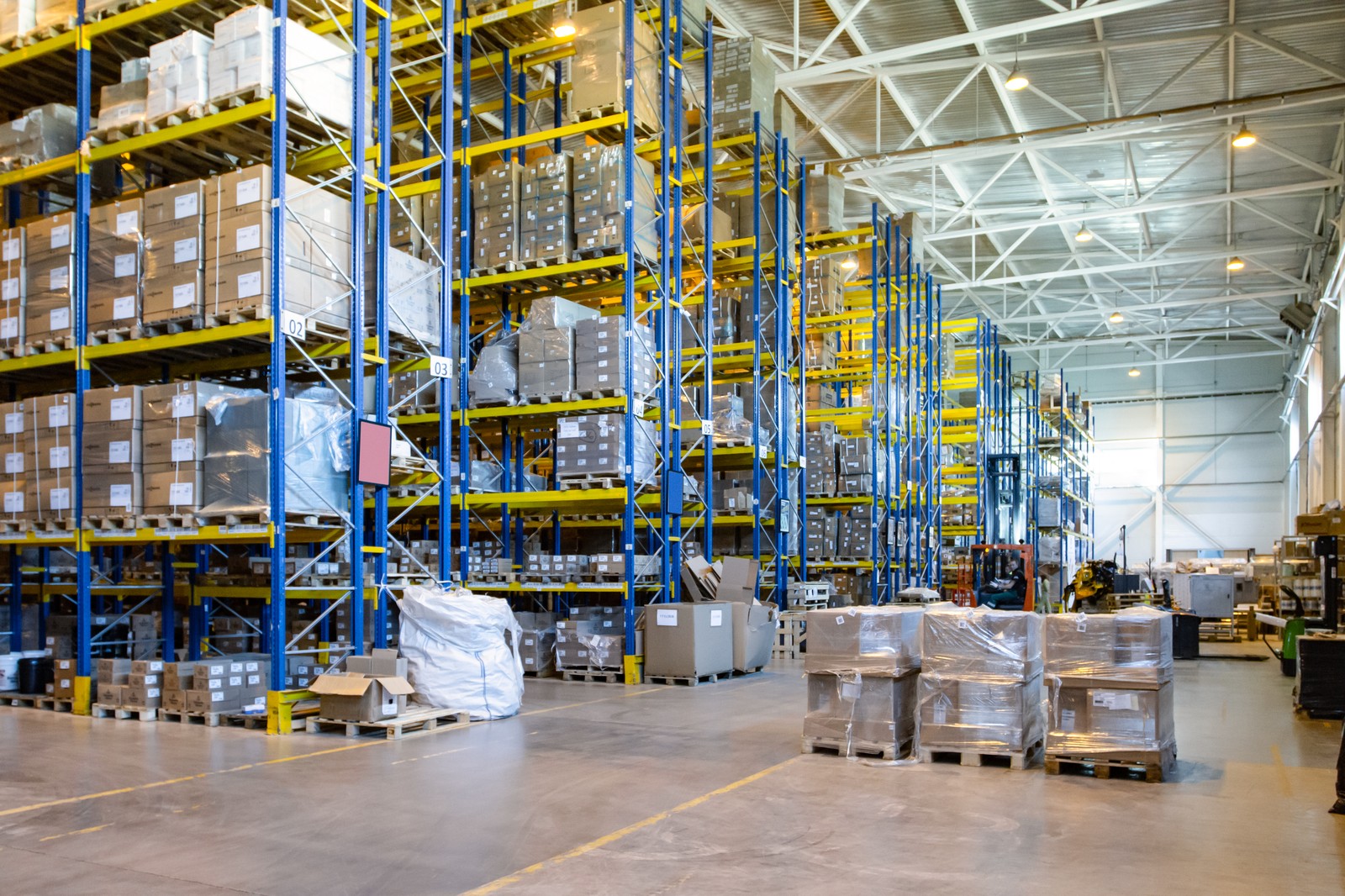
How Businesses Improve Inventory Flow In Busy Warehouses
Quick Summary
Inventory flow problems in busy warehouses usually start as small delays at receiving, put-away, or picking, and those delays compound once order volume climbs. Layout choices like placing fast-moving SKUs near shipping and using storage systems that separate restocking from picking reduce wasted travel and bottlenecks. Process habits, including batching orders, cross-training staff, and setting usage-based replenishment triggers, address the human side of the equation. Facilities that treat receiving through shipping as one connected system, rather than isolated tasks, handle peak volume with fewer surprises.
A warehouse running at full capacity exposes every weak point in its layout fast. Orders pile up at the pack station while pickers wait on a restock that should have happened an hour ago. Inventory flow breaks down in these moments not because staff isn’t working hard enough, but because the path products take from receiving to shipping has gaps that only show up under pressure.
Learn what disrupts inventory flow in busy warehouses, how to spot the signs early, and practical steps that keep product moving even during peak volume.
What Inventory Flow Means
Inventory flow describes the path a product takes from the moment it arrives at a facility to the moment it leaves as part of a completed order. That path includes receiving, put-away, storage, picking, packing, and shipping.
A warehouse with good flow moves product through each of these steps without unnecessary stops or backtracking. A warehouse with poor flow creates friction at one or more points along that path, and that friction compounds as order volume climbs.
Busy periods reveal flow problems that stay hidden during slower stretches. A layout that works fine at half capacity can fall apart when order volume doubles. The same bottlenecks that caused minor delays before now stack up and cause real backups. Recognizing where flow breaks down starts with looking at each stage of the process individually.
Common Points Where Inventory Flow Breaks Down
A few stages tend to cause more disruption than others as volume increases. Receiving often creates the first bottleneck. If incoming shipments sit on the dock waiting for put-away, that delay pushes downstream into picking and packing. Workers can’t pull inventory that hasn’t made it onto the shelf yet, no matter how efficient the rest of the operation runs.
Put-away speed matters just as much as receiving speed. Product that arrives quickly but takes hours to reach its storage location creates the same downstream delay as slow receiving. A clear, consistent put-away process prevents this stage from becoming a separate bottleneck.
Picking accuracy and speed directly affect flow. Workers who need to search for product, double-check locations, or navigate around obstacles lose time that adds up across hundreds of picks in a single shift. Layout plays a large role here, since inventory placed without regard to order frequency forces unnecessary travel.
Layout Adjustments That Support Better Inventory Flow
Physical layout drives a large share of flow efficiency, and small adjustments here often produce noticeable improvement without a full warehouse redesign.
Placing fast-moving SKUs close to packing and shipping reduces the travel distance for the most frequent picks. This single change reduces the amount of walking time across a shift, since high-frequency items are pulled repeatedly throughout the day.
Storage systems that separate restocking from picking also help. Case flow rack systems load from the back while product is picked from the front, which means replenishment doesn’t interrupt active order fulfillment the way it does with static shelving, which requires clearing an aisle to restock.
Aisle width and equipment routing deserve a second look too. Wide aisles built for pallet jacks waste space if most picking happens by hand. Narrower aisles, paired with the right storage configuration, free up floor space that can be allocated to additional inventory or a dedicated packing zone.
At Gauer Metal Products, layout projects that require a specific footprint or an unusual product mix often benefit from custom fabrication tailored to the facility’s actual constraints. Our custom metal fabrication capabilities allow storage components to fit into a space.
Process Changes That Reduce Bottlenecks
Layout adjustments help, but process changes address the human side of inventory flow, which matters just as much during busy stretches.
Batching similar orders together reduces the total travel distance across a shift, since pickers cover a zone once instead of returning to the same area for separate orders. This works well in facilities with a predictable mix of order types.
Cross-training staff across receiving, picking, and packing creates flexibility during peak periods. A facility that can shift labor to whichever stage is falling behind avoids the kind of single-point bottleneck that stalls the entire operation.
Setting clear replenishment triggers, rather than restocking on a fixed schedule, keeps shelves stocked based on usage. A SKU that moves faster than expected gets restocked sooner, while slower-moving items don’t tie up labor on unnecessary trips.
Storage Systems Built Around How Product Actually Moves
Storage plays a central role in inventory flow, and the type of shelving a facility uses affects how smoothly product moves from receiving to shipping.
Static shelving works fine for slower-moving inventory or bulk storage, where accessibility matters less than capacity. High-turnover zones benefit from a different approach, as they require frequent restocking without disrupting active picking.
Our warehouse shelving options cover both configurations, giving facilities the flexibility to match storage type to the actual demands of each zone. A facility that mixes storage types based on product velocity tends to handle busy periods with fewer surprises. Each zone runs on a system built for how that particular product moves.
Keeping Product Moving When Volume Picks Up
Inventory flow problems rarely announce themselves clearly. They show up as small delays that seem manageable until order volume climbs and those delays stack into real bottlenecks. Viewing receiving, put-away, picking, and packing as connected stages makes it easier to spot where a facility loses time.
Layout and process changes both play a role, and neither works well without the other. A well-placed storage system still underperforms if restocking happens at the wrong time, just as well-trained staff members struggle to keep pace in a layout that forces unnecessary travel.
Let’s Talk Through Your Facility’s Flow Challenges
Every warehouse handles a different mix of products, order volume, and floor constraints, and a flow problem that shows up in one facility might not affect another the same way. Our team at Gauer Metal Products works with warehouse operators to identify where product movement slows down and what storage or layout changes could help.
Do busy periods keep exposing gaps in how your facility moves inventory? Connect with our team to talk through what’s causing the slowdown.
FAQs
What causes inventory flow problems in busy warehouses?
Flow problems usually start as small delays at receiving, put-away, or picking. These delays stay manageable at low volume but compound into real bottlenecks once order volume increases.
How does warehouse layout affect inventory flow?
Placing fast-moving SKUs near packing and shipping reduces travel distance for the most frequent picks. Aisle width and storage configuration also affect how efficiently product moves through the facility.
Can the choice of storage system improve inventory flow?
Yes, storage systems that separate restocking from picking prevent replenishment from interrupting active order fulfillment. This differs from static shelving, which often requires clearing an aisle to restock.